
How to Plan Balanced Meals Without Stress: Simple Tips for Everyone
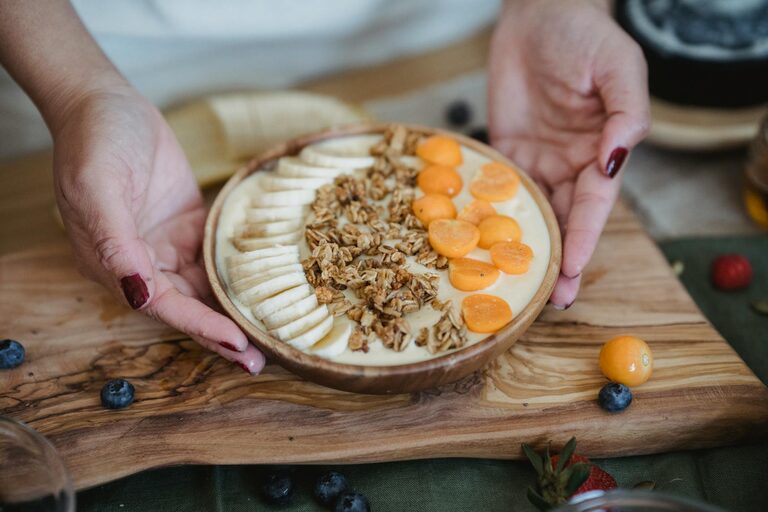
Planning balanced meals doesn’t have to be complicated or stressful. With a few simple strategies, you can enjoy nutritious meals that satisfy your taste buds and support your well-being. Whether you’re cooking for yourself, your family, or friends, this guide will help you create meal plans that are both healthy and manageable.
Why Balanced Meals Matter
Balanced meals provide your body with the essential nutrients it needs to function well. They typically include a variety of food groups such as vegetables, protein, whole grains, and healthy fats. When you eat balanced meals regularly, you can:
– Maintain steady energy levels throughout the day
– Support your immune system
– Promote healthy digestion
– Improve overall mood and focus
This makes meal planning an important habit, but it doesn’t have to add stress to your routine.
Start With Simple Planning Steps
1. Set Realistic Goals
Don’t pressure yourself to create perfect meals every day. Instead, aim to include at least three of the main food groups in each meal. For example, a plate with grilled chicken, quinoa, and steamed broccoli covers protein, grains, and vegetables.
2. Use a Weekly Meal Planner
Having a visual plan can simplify shopping and cooking. You can use a printable template, an app, or even a simple notebook. Just jot down:
– Breakfast, lunch, and dinner ideas
– Snacks if you like
– Ingredients needed for each meal
3. Keep Your Pantry Stocked With Basics
Having staple ingredients on hand makes it easier to whip up balanced meals. Consider keeping:
– Whole grains like brown rice, oats, or whole wheat pasta
– Canned beans and lentils
– Frozen vegetables and fruits
– Healthy oils such as olive or avocado oil
– Herbs and spices to add flavor
Focus on Meal Components
A balanced meal is easier to build if you think in terms of components. Here’s a simple formula you can follow:
1. Vegetables and Fruits
Fill half your plate with colorful vegetables and fruits. These are rich in vitamins, minerals, and fiber. Try to vary the types and colors throughout the week for the best nutrient range.
2. Protein
Include a source of protein, which is essential for muscle repair and growth. Options include:
– Lean meats like chicken, turkey, or fish
– Plant-based proteins like beans, lentils, tofu, or chickpeas
– Eggs or dairy products like yogurt and cheese
3. Whole Grains or Starchy Vegetables
Choose whole grains or starchy vegetables as your carbohydrate source, which provide energy and fiber. Examples:
– Brown rice, quinoa, bulgur, or whole wheat bread
– Sweet potatoes and corn
4. Healthy Fats
Don’t forget healthy fats that support brain health and hormone production. These can come from:
– Nuts and seeds
– Avocado
– Olive or flaxseed oil
Make Cooking and Eating Enjoyable
Plan for Flexibility
Life can be unpredictable, so it’s helpful to have backup options. Cook extra portions of meals that reheat well, or have quick ingredients ready for simple dishes like salads or sandwiches.
Use Time-Saving Techniques
– Batch cook grains or proteins at the start of the week
– Freeze portions for later use
– Use slow cookers or pressure cookers for easy meals
Keep It Tasty and Varied
Try new recipes or mix different herbs and spices to keep your meals exciting. This not only benefits your palate but encourages consistent healthy eating.
Tips for Eating Balanced Meals on a Budget
– Buy seasonal produce for better prices and freshness
– Choose frozen fruits and vegetables, which are often more affordable and last longer
– Purchase bulk grains and legumes
– Plan meals around weekly grocery store specials
Listen to Your Body
Remember, balanced eating isn’t about strict rules; it’s about nourishing your body. Pay attention to how your meals make you feel and adjust accordingly. Some days you might want a bigger meal, other days a lighter one—that’s perfectly okay.
Sample Balanced Meal Ideas
– Breakfast: Greek yogurt with mixed berries, a handful of walnuts, and a drizzle of honey
– Lunch: Quinoa salad with chickpeas, cucumber, cherry tomatoes, and lemon-tahini dressing
– Dinner: Baked salmon with roasted sweet potatoes and steamed green beans
– Snack: Apple slices with almond butter
Conclusion
Planning balanced meals doesn’t have to be a source of stress. By setting simple goals, preparing basic ingredients, and focusing on variety and flexibility, you can create a sustainable meal routine. Remember, the key is balance and enjoyment. With consistent, small steps, you’ll find meal planning easier and more rewarding than ever.
Happy cooking!